
Preparing for Cold Season: Baby Wellness and Comfort Tips
Key Points
- Dressing your baby in winter layers—starting with a soft base, adding a mid layer, and finishing with a wind-resistant coat—keeps them warm and safe, while hats, mittens, and booties provide essential protection against the cold.
- Creating a cozy and safe home environment with draft-proofing, a cool-mist humidifier, and wearable blankets helps prevent dry skin, ease congestion, and promote better sleep during the winter months.
- Practicing safe winter travel by avoiding bulky coats in car seats, using thin adjustable layers, and adding lightweight blankets or car seat covers ensures your baby stays warm without compromising safety.
- Managing common winter illnesses in babies such as runny noses, congestion, coughs, and fevers requires gentle remedies like saline drops, humidifiers, hydration, and rest, while monitoring for signs that require medical attention.
- Supporting overall baby wellness in winter through balanced feeding, proper hydration, consistent sleep routines, supervised fresh-air outings, and good hygiene helps strengthen your baby’s immune system all season long.
Winter brings a magical sparkle to the season with its crisp air and cozy nights—but it also presents unique challenges when it comes to keeping your baby safe, comfortable, and healthy. With shorter days and colder weather, both outdoor adventures and home routines require a bit more planning and care. In this post, we’ll explore practical tips for dressing your baby appropriately, creating a warm and soothing home environment, ensuring safe travel, managing common winter symptoms like a runny nose, congestion, cough, and fever, and knowing when to seek professional medical advice.
Dressing Your Baby for Winter
When the temperature drops, layering becomes the cornerstone of baby winter care. Start with a soft, moisture-wicking base layer such as cotton to keep your baby comfortable and dry. Next, add a mid layer like a lightweight fleece or sweater to trap warmth. For the final layer, choose a wind-resistant, insulated coat that blocks out the chill when you’re on the go.
Accessories are essential. A snug hat, mittens, booties, and non-slip socks can make a significant difference in keeping your baby warm. Remember to adjust layers as you move from the cold outdoors to a heated home environment so your baby doesn’t overheat.
Creating a Cozy and Safe Home Environment
Your home should be a haven of warmth and comfort during winter. Begin by checking for drafts around windows and doors, using weather stripping or heavy curtains to seal any gaps. This not only helps maintain a comfortable temperature but also ensures that your baby’s room is free from unwanted cold air.
Dry indoor air can irritate your baby’s delicate skin and worsen congestion. A cool-mist humidifier adds moisture to the air, easing breathing difficulties and preventing dry, irritated skin. In addition, creating a calm sleep environment with soft lighting and a consistent bedtime routine can help your baby rest better. Instead of loose blankets, opt for a wearable blanket to keep your baby warm and safe throughout the night.
Safe Travel and Car Safety
Traveling in winter requires special attention, especially when it comes to car rides. Bulky coats might seem necessary for staying warm, but they can interfere with the proper fit of car seat harnesses. Instead, dress your baby in thin, adjustable layers that can be easily removed once you’re indoors. Lightweight blankets or specially designed car seat covers provide added warmth without compromising safety. This balance ensures that your baby is both secure and comfortable during every journey.
Managing Winter Illnesses in Babies
Winter is a season when colds and minor illnesses become more common. Recognizing and managing these symptoms early can make a big difference in your baby’s comfort and recovery.

Recognizing Common Symptoms
Runny Nose & Congestion
Babies often develop a runny or stuffy nose when they have a cold. Saline nasal drops can gently loosen mucus, and using a bulb syringe can help clear the nasal passages, easing discomfort and promoting better breathing.
Cough
A mild cough is another typical symptom of winter colds. While usually not serious, it can be soothing to keep your baby’s airways moist. A cool-mist humidifier or a few minutes in a steamy bathroom can help ease a persistent cough.
Fever
A low-grade fever is a natural response to an infection. It is important to monitor the fever closely. Over-the-counter medications like acetaminophen for infants 2 months and older or ibuprofen for infants 6 months and older can help relieve discomfort—always following the proper dosage guidelines.
Home Care and Natural Remedies
Keeping your baby comfortable when they’re under the weather is all about supportive care. Ensure your little one stays well-hydrated by offering breastmilk or formula, and for older infants, appropriate amounts of water. Maintaining a moist environment with a humidifier not only eases congestion but also supports overall respiratory health. Above all, plenty of rest is key to allowing your baby’s immune system to fight off the virus naturally.
When to Call the Doctor and When to Head to the ER
Knowing when to seek professional help is crucial for ensuring your baby’s safety. While most colds resolve on their own, certain signs indicate that a call to your pediatrician or even an immediate visit to the emergency room is necessary.
When to Contact Your Pediatrician
If your baby’s symptoms persist for more than 7 to 10 days or gradually worsen, it is time to consult your doctor. Watch for signs of dehydration such as fewer wet diapers, extreme fussiness, or lethargy. If the cough worsens or the fever lingers despite proper treatment, a professional evaluation is needed. For infants under three months, any significant fever or unusual behavior should prompt an immediate call.
Red Flags for Emergency Care
Seek emergency care if your baby develops a high fever that does not subside with medication, has rapid or labored breathing, or shows blue-tinged lips, face, or chest. Severe lethargy or any changes in consciousness are also serious warning signs. When in doubt, it is best to err on the side of caution and seek medical help immediately.
Soothing a Sick Baby: Comfort Techniques and Natural Remedies
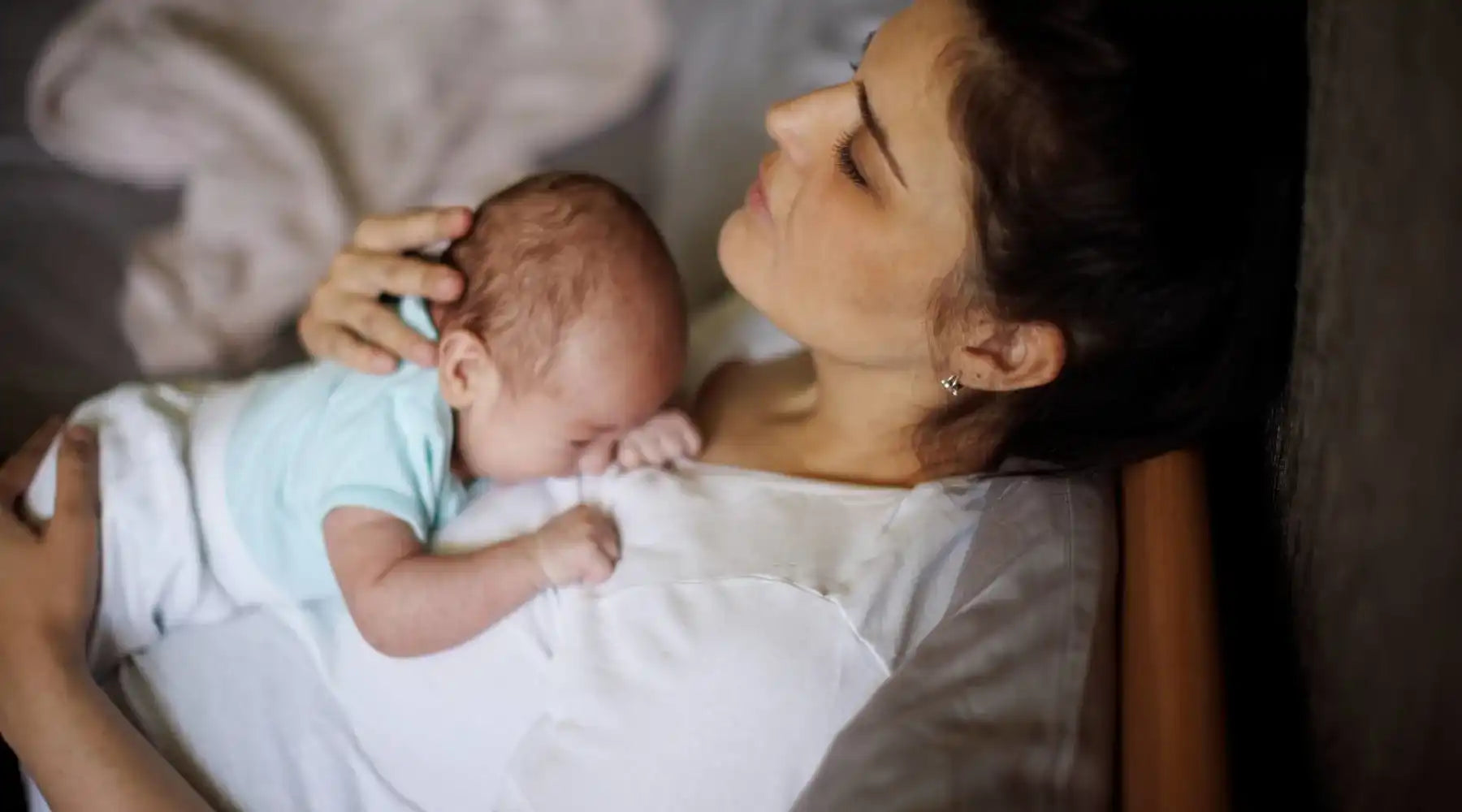
When your baby is sick, comfort is as important as any medication. Creating a peaceful, nurturing environment can help ease discomfort and speed recovery. A quiet, stress-free atmosphere with soft lighting and gentle sounds can work wonders. Simple routines like rocking, cuddling, or reading can provide both physical and emotional comfort, helping your baby feel secure even when unwell.
In addition to standard care, natural remedies can be very effective. Saline nasal drops paired with a bulb syringe relieve congestion, while a cool-mist humidifier or a warm, steamy bath maintains moisture in the air and soothes irritated airways. Remember to take care of yourself during this challenging time. Caring for a sick baby can be exhausting, so don’t hesitate to ask for help or take a short break when needed.

Overall Baby Wellness Tips for the Cold Season
Preventative care plays a crucial role in keeping your baby healthy during the cold season. Maintaining a balanced feeding schedule and ensuring proper hydration are essential for boosting your baby’s immune system. Consistent sleep routines not only help your baby recover from illness but also support overall growth and well-being. Even during winter, brief, supervised outings for fresh air can benefit your baby’s mood and immune function. Finally, simple hygiene practices such as regular handwashing and keeping your home clean are vital in reducing the spread of viruses.
Winter may present extra challenges for baby care, but with the right strategies, you can keep your little one warm, comfortable, and healthy throughout the season. From dressing in layers and creating a cozy home environment to managing symptoms like runny noses, congestion, coughs, and fevers, every step you take contributes to your baby’s wellness. Always trust your instincts—if something seems off, don’t hesitate to call your doctor or seek emergency care.
Stay warm, keep smiling, and enjoy the beauty of winter with your baby. We’d love to hear your experiences and tips in the comments below. Your insights may help another parent navigate the chilly season with ease.