Baby’s Language Development: Fun Ways to Encourage First Words
Key Points
- Understanding baby language development milestones – From cooing at 3 months to saying first words around 12 months, baby speech milestones show how communication unfolds. Every coo, babble, and gesture is part of building strong language skills.
- Fun ways to encourage first words – Daily conversation, reading books to babies, singing nursery rhymes, and interactive games like peek-a-boo or pat-a-cake help stimulate vocabulary and boost confidence in early communication.
- Using gestures, sign language, and imitation – Pairing words with simple gestures or baby sign language (“more,” “milk,” “all done”) supports understanding before speech emerges. Responding to babbles and imitating sounds strengthens your baby’s first attempts at words.
- Creating a language-rich environment at home – Everyday routines like mealtime, bath time, and walks offer chances to introduce new words. Cozy reading nooks with baby blankets and organized play spaces make daily learning engaging and consistent.
- Supporting bilingual homes and knowing when to seek help – Babies can learn multiple languages from birth, and mixing languages early is normal. Parents should watch for red flags such as no babbling by 9 months or no gestures by 12 months, and consult a pediatrician if concerns arise.
Watching your baby begin to communicate is one of the most magical parts of parenthood. From the first coos and babbles to that sweet moment when you hear “mama” or “dada” for the first time — every small step is part of their incredible language journey.
In this guide, we’ll explore how language development unfolds during your baby’s first year, share fun ways you can help encourage first words, and answer common questions parents often have. Whether you're a first-time parent or adding to your growing family, these simple tips will help you make the most of these precious milestones.
Quick Milestone Reference (Birth to 12 Months)
|
Age |
Language Milestones |
|
0-3 months |
Cooing, gurgling, reacting to sounds |
|
4-6 months |
Babbling ("ba," "da"), smiling at voices |
|
7-9 months |
More babbling, understands simple words |
|
10-12 months |
First words may emerge, waves, simple commands |
Looking for ways to capture these special moments? Don’t miss our guide on Baby Milestones: Capturing and Preserving Precious Moments.
Why Early Language Matters
Strong language development builds your baby’s brain, supports emotional bonding, and lays the foundation for learning. The simple back-and-forth of everyday conversation helps babies practice essential skills long before full sentences emerge.
Fun, Effective Ways to Encourage First Words
1. Narrate Your Day
Talk to your baby constantly. Describe what you're doing:
"We’re changing your diaper. Now we put on your cozy pajamas."
The more words your baby hears, the more they learn.
2. Read Together Daily
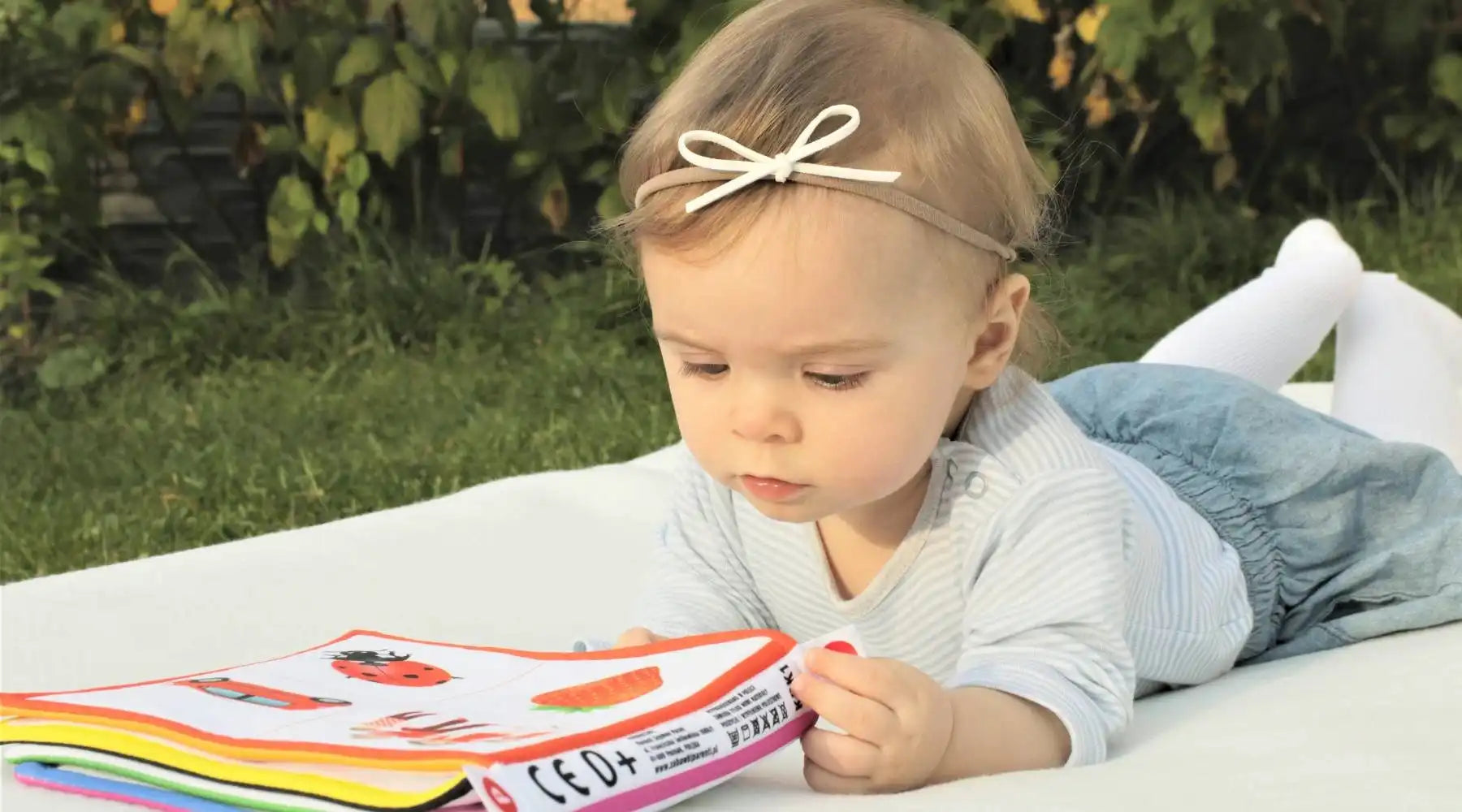
Reading is one of the best things you can do. Choose sturdy board books, colorful lift-the-flap books, or soft cloth books. Point to pictures, name objects, and repeat favorite stories often.
Bonus tip: cozy reading nooks make a huge difference. Our soft baby blankets are perfect for creating a warm, inviting space that encourages daily storytime.
3. Sing Songs and Nursery Rhymes
Songs like The Itsy Bitsy Spider or Twinkle Twinkle Little Star combine rhythm, repetition, and fun — all perfect for building vocabulary.
4. Play Interactive Games
Simple games like peek-a-boo, pat-a-cake, or stacking blocks introduce turn-taking and encourage imitation.
5. Use Gestures and Baby Sign Language
Pair words with simple signs like “more,” “milk,” or “all done.” Gestures support communication while verbal skills are still developing.
6. Encourage Imitation
Make silly faces, funny sounds, or animal noises. Pause to give your baby a chance to copy you.
7. Expand on Baby’s Sounds
If your baby says “ba,” respond enthusiastically: “Yes! That’s your ball!” Expanding on their attempts helps them connect sounds to words.
8. Limit Passive Screen Time
Real-life interaction is far more valuable than passive screen watching. Focus on face-to-face play and conversation.
9. Use Everyday Routines as Learning Moments
Mealtimes, diaper changes, and bath time are all perfect opportunities to introduce new words, name objects, and describe what’s happening.

Simple Activities to Try at Home
- Label toys, objects, and people: “This is your spoon. Here’s your teddy.”
- Make animal sounds together.
- Ask simple questions: “Where’s Daddy? Where’s your ball?”
- Use mirrors for facial expressions and sound play.
- Play pretend with stuffed animals or toy food.
- Create themed toy bins (e.g., farm animals, vehicles) to explore categories.
Sample First Words
Here are some common first words babies may say:
mama • dada • hi • bye-bye • up • ball • dog • more • milk • car • baby • book • juice
Supporting Language in Bilingual Homes
If your family speaks more than one language, rest assured: babies are wired to learn multiple languages from birth.
- Start both languages early.
- Be consistent with which language each parent or caregiver uses.
- Read, sing, and play in both languages.
- Understand that language mixing is normal and temporary.
- Be patient — bilingual development may follow a slightly different timeline, but the long-term benefits are huge.
The Role of Siblings and Socialization
Older siblings can be wonderful language models. Encourage big brothers and sisters to talk, read, and play with your baby. If your baby spends time in daycare or playgroups, these social experiences also provide valuable opportunities for hearing and practicing language.
Learn more about how everyday family routines and simple parenting strategies can make a big difference in our Minimalist Parenting: Simplifying Baby Gear article.
Sensory Play and Language Development
Sensory play stimulates both brain and language development.
- Let your baby explore textured materials like fabric, sand, or soft blankets.
- Talk about what they feel: “This is soft. That’s rough.”
- Explore sounds and music together.
- Create cozy reading nooks with soft Baldwin Baby Co blankets to make storytime inviting.
Calming the Comparison Trap
It’s natural to wonder if your baby is “on track,” but remember: every child develops at their own pace. Avoid comparing your baby to others. Instead, focus on creating a nurturing, language-rich environment. If concerns arise, your pediatrician or a speech-language pathologist can offer guidance.
When to Seek Extra Support
While there’s a wide range of normal, you may want to consult your pediatrician if:
- No babbling by 6-9 months
- No gestures like pointing or waving by 12 months
- No single words by 15 months
- Limited response to sounds or name
Early intervention can be very effective, so don’t hesitate to ask if you have concerns.
Everyday Routines That Build Language
- Bath time: Describe water, bubbles, body parts.
- Mealtime: Talk about colors, tastes, and textures.
- Walks and outings: Point out trees, animals, vehicles.
- Diaper changes: Sing songs or name body parts.
Even during simple outings, there are opportunities for language growth — explore tips for organizing your diaper bag for on-the-go learning with our favorite diaper bags for busy parents.

Common Myths About Baby Speech Development
Myth: Bilingual babies talk later.
Truth: Bilingual babies may mix languages early, but they aren't delayed long-term.
Myth: Boys always talk later than girls.
Truth: Some individual variation exists, but gender isn’t a major predictor.
Myth: Baby sign language slows speech.
Truth: Signing often supports earlier spoken word development.
Creating a Language-Rich Environment at Home
Small adjustments in your home can make a big difference. Cozy reading spaces with soft Baldwin Baby Co blankets can encourage daily storytime. Our diaper caddies make it easy to keep favorite books, toys, and sensory items within reach — whether you're at home or on-the-go.
Frequently Asked Questions
When do babies usually say their first word?
Most babies say their first word around 12 months, but anywhere between 9-15 months can be normal.
How can I help my baby start talking?
Talk often, read daily, play simple games, sing songs, and respond to their sounds.
Do baby sign language programs help?
Yes! Signing can reduce frustration and support early communication.
Is it normal for my baby not to be talking at 12 months?
Yes. Some babies take a bit longer. Discuss any concerns with your pediatrician.
What are red flags for speech delays?
No babbling by 9 months, no gestures by 12 months, or no words by 15 months may warrant evaluation.
Can reading really help language development?
Absolutely. Daily reading builds vocabulary, comprehension, and a love of language.
Final Thoughts
Every coo, giggle, and babble is a step toward your baby’s first words. The small, everyday moments you share — reading a book, singing a song, chatting while you change a diaper — are building your child’s language skills day by day.
With love, patience, and plenty of conversation, your baby's first words will come before you know it.
What first words has your little one said so far? Share your experience in the comments — we love hearing from other parents!